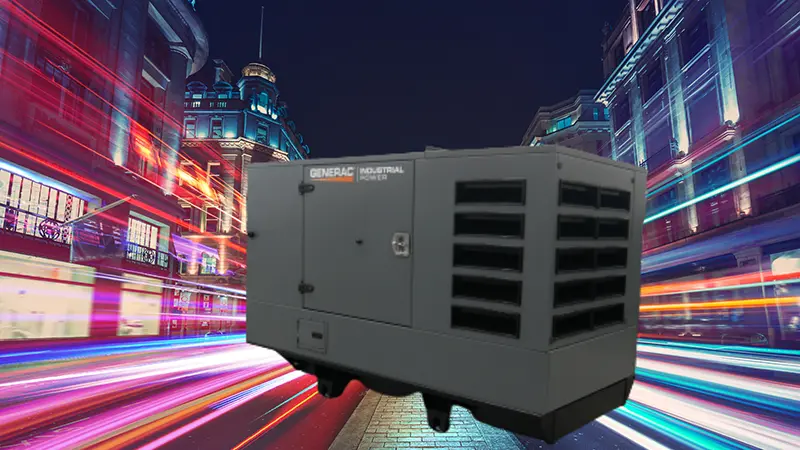

We know that emergency plants are generators that provide electricity in a cost-effective way and thus generate energy on a site. You never expect to need them, but power outages are unforeseen and you can even experience them constantly and can slow down the operation of your company, project or work. We will now divide the emergency plants according to their location and diet.
BY ITS LOCATION
The first division between emergency plants is just their mobility, because depending on the requirements of your project, there are:
FOR THEIR DIET
Fuel is another determinant of emergency plants. Most plants use gasoline or diesel, but here are the differences:
-Diesel: An emergency plant that uses this fuel must have a diesel engine. One of the cons of this aspect is that the transfer of this fuel to the plant is usually carried out by specialized companies, and if the diesel reserves are very old, you may have problems starting the generator.
-Biodiesel: It is a commonly used alternative to reduce polluting emissions into the environment. Additives are often used in the composition of this fuel that can affect its effectiveness.
-Natural Gas: Many companies committed to clean energy use this type of solution, also expecting operational savings over time.
Whatever your decision to buy an emergency plant, before doing so you must plan your best scheme and what is best for you to buy one of them.

